
Small and medium-sized enterprises are increasingly becoming prime targets for cybercriminals. Contrary to popular belief, attackers no longer focus only on large corporations. SMEs often lack mature security frameworks, making them easier to exploit.
Cyber threats such as phishing, ransomware, credential theft, and supply-chain attacks can disrupt business operations overnight. A single breach can result in financial loss, regulatory penalties, reputational damage, and long-term trust erosion. For many SMEs, recovery from such incidents is extremely difficult.
Cybersecurity today is not just about installing antivirus software. It requires a layered approach that includes network security, endpoint protection, identity access management, employee awareness, and continuous monitoring. Attackers evolve daily, and static defenses are no longer effective.
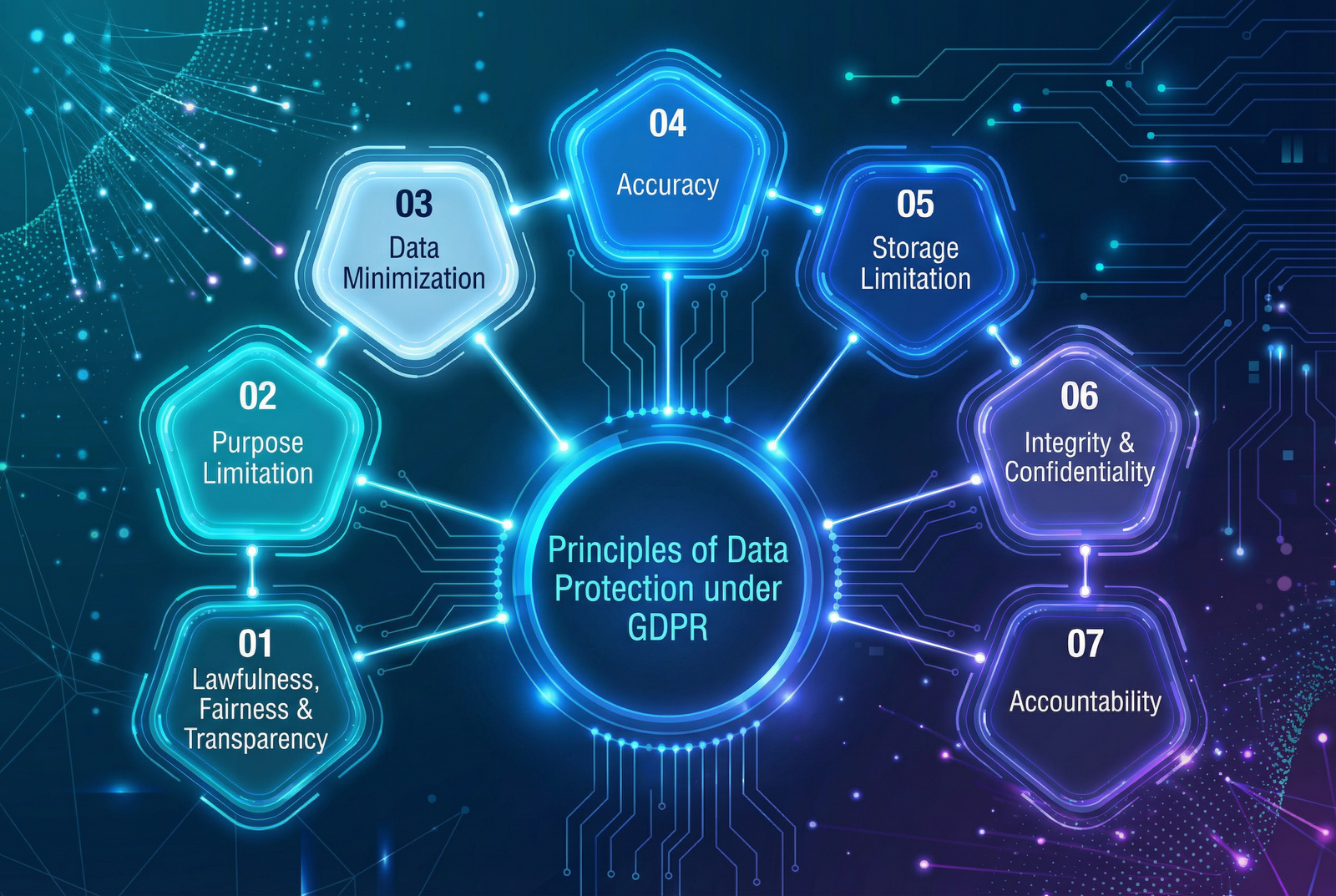
Regulatory requirements are also tightening. Industries handling customer data, financial records, or sensitive communications must comply with data protection laws. Failure to do so can invite legal consequences beyond the cyber incident itself.
Investing in cybersecurity should be viewed as a business enabler rather than a cost. Secure systems build customer trust, protect digital assets, and ensure operational continuity. SMEs that prioritize cybersecurity gain a competitive advantage by demonstrating reliability and responsibility.
A proactive cybersecurity strategy helps organizations identify vulnerabilities before attackers do. With expert audits, threat assessments, and tailored security solutions, SMEs can significantly reduce their risk exposure and operate confidently in a digital-first economy.